
The evolution of casinos tracing the journey from ancient games to modern entertainment
The evolution of casinos tracing the journey from ancient games to modern entertainment
The Origins of Gambling
The journey of casinos begins with the ancient practice of gambling, which can be traced back thousands of years to early civilizations. Archaeological findings suggest that games of chance were played in Ancient China, where rudimentary dice games emerged around 2300 BC. These early gambling practices often involved betting on the outcomes of events, whether they were sports, battles, or even the casting of dice, laying the groundwork for future gaming innovations. For those interested in exploring more about modern interpretations, you can visit https://gundamfreedomfilm.co.uk/.

The influence of gambling spread throughout various cultures, including the Greeks and Romans, who enjoyed games involving betting and risk. In Rome, the wealthy would engage in elaborate betting games that often occurred during festive occasions. These early forms of gambling reflected societal values surrounding fortune and fate, setting a precedent for how games would evolve and be embraced in later societies.
As these ancient games made their way across continents, they adapted to local customs and cultures. For instance, in India, the game of Pachisi became popular, merging strategy and chance. This cross-cultural exchange contributed to the rich tapestry of gambling, ultimately leading to the establishment of more organized gaming establishments that would evolve into modern-day casinos.
The Birth of Casinos in Europe
The 17th century marked a significant turning point in the history of gambling with the establishment of the first official casinos in Europe. The Casino di Venezia in Italy, opened in 1638, is often credited as the first of its kind, offering a structured environment for gaming that appealed to the elite. These early casinos focused on card games, such as baccarat and chemin de fer, setting the stage for a more formalized gambling experience.
During this period, the popularity of casinos began to flourish, particularly in France. The French monarchy promoted gambling as a means of raising revenue, leading to the establishment of the famous Casino de Spa in Belgium and other grand establishments across Europe. These venues became synonymous with luxury and sophistication, attracting patrons from all walks of life who were eager to test their luck.
The emergence of casino games such as roulette and blackjack further popularized gambling in European society. These games not only captivated players but also introduced complex strategies, creating an exhilarating atmosphere that drew people in. The combination of chance, skill, and the allure of wealth made these establishments a central part of social life during the Enlightenment, reflecting a shift in cultural attitudes toward gambling.
The Rise of American Gambling Culture
The influence of European gambling practices made its way to America, particularly during the Gold Rush era of the mid-19th century. As fortune seekers flocked to the West, saloons and makeshift gambling houses emerged, offering card games and dice games that reflected the raw, adventurous spirit of the time. This chaotic environment laid the groundwork for a burgeoning gambling culture that would soon become formalized.
By the late 19th century, Las Vegas began to emerge as a focal point for gambling in America. The legalization of gambling in Nevada in 1931 spurred the development of lavish casinos that catered to a growing tourist industry. Iconic venues like the Flamingo and the Sands attracted celebrities and high rollers, elevating the gambling experience to new heights. This era marked the transformation of casinos into not just gambling houses but full-fledged entertainment complexes.
The post-war boom further propelled the growth of the American casino industry, leading to the establishment of mega-resorts in Las Vegas and Atlantic City. These casinos expanded the concept of gambling to include lavish shows, gourmet dining, and extravagant amenities. The Las Vegas Strip became a symbol of indulgence and excitement, forever changing the landscape of gambling in America.
The Digital Revolution and Online Casinos
The late 20th and early 21st centuries saw a dramatic transformation in the casino landscape due to the rise of the internet. The launch of the first online casino in 1994 marked a pivotal moment in gambling history, making it possible for players to enjoy their favorite games from the comfort of their homes. This shift democratized access to gambling, appealing to a new generation of players who preferred digital platforms.
Online casinos introduced a wide variety of games, from traditional slots to live dealer experiences, making it possible for players to engage with real dealers and fellow gamblers in real time. The convenience and accessibility of online gambling attracted millions worldwide, prompting traditional casinos to adapt by offering online platforms of their own. This transition has not only expanded the audience but also generated significant revenue for the gambling industry.
The technological advancements in mobile gaming further enhanced the online gambling experience. Players can now enjoy their favorite games on smartphones and tablets, leading to a surge in mobile gambling. Innovations such as virtual reality gaming and blockchain technology are also poised to shape the future of online casinos, creating immersive experiences that may redefine the gambling landscape once again.
The Future of Casino Entertainment
As we look to the future, the evolution of casinos is likely to continue in remarkable ways. Emerging technologies such as artificial intelligence and machine learning are already influencing the development of personalized gaming experiences. Casinos may soon offer tailored game recommendations based on players’ preferences and behaviors, creating a more engaging and enjoyable atmosphere.
Furthermore, the integration of social gaming elements into traditional gambling is becoming increasingly popular. Many modern casinos are incorporating social media features, allowing players to share their experiences and compete with friends. This approach not only enhances the enjoyment of games but also builds community among players, making gambling a more social endeavor.
The sustainability trend is also becoming a significant factor in the casino industry, with many establishments focusing on environmentally friendly practices. From energy-efficient lighting to waste reduction initiatives, casinos are adapting to societal demands for corporate responsibility. As the gambling landscape evolves, these considerations will likely play an essential role in attracting a new generation of conscientious gamblers.
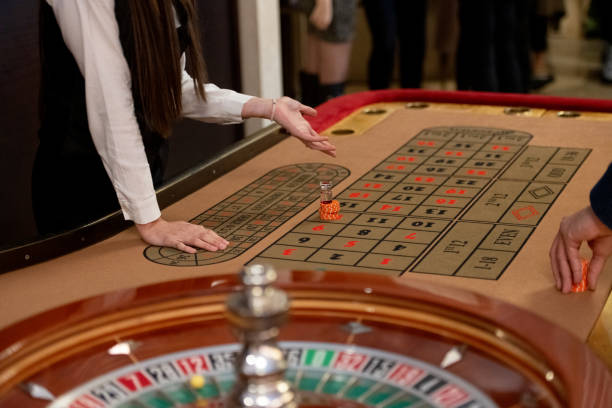
Your Gateway to Casino Insights
This website serves as a comprehensive resource for anyone interested in the world of casinos. Whether you are a seasoned gambler or a curious newcomer, you will find a wealth of information covering the history, evolution, and latest trends in the gambling industry. Our goal is to provide engaging content that not only informs but also enhances your understanding of this fascinating field.
In addition to articles and insights, the website offers tips for responsible gambling and highlights the importance of making informed decisions. By exploring the rich history of casinos and the innovations shaping their future, visitors will gain a deeper appreciation for this captivating form of entertainment. Join us as we journey through time and witness the evolution of casinos firsthand.


 +60 3 7805 3636
 +60 3 7804 6263
 info@apaulstrophe.com.my
Leave a Reply
Want to join the discussion?Feel free to contribute!